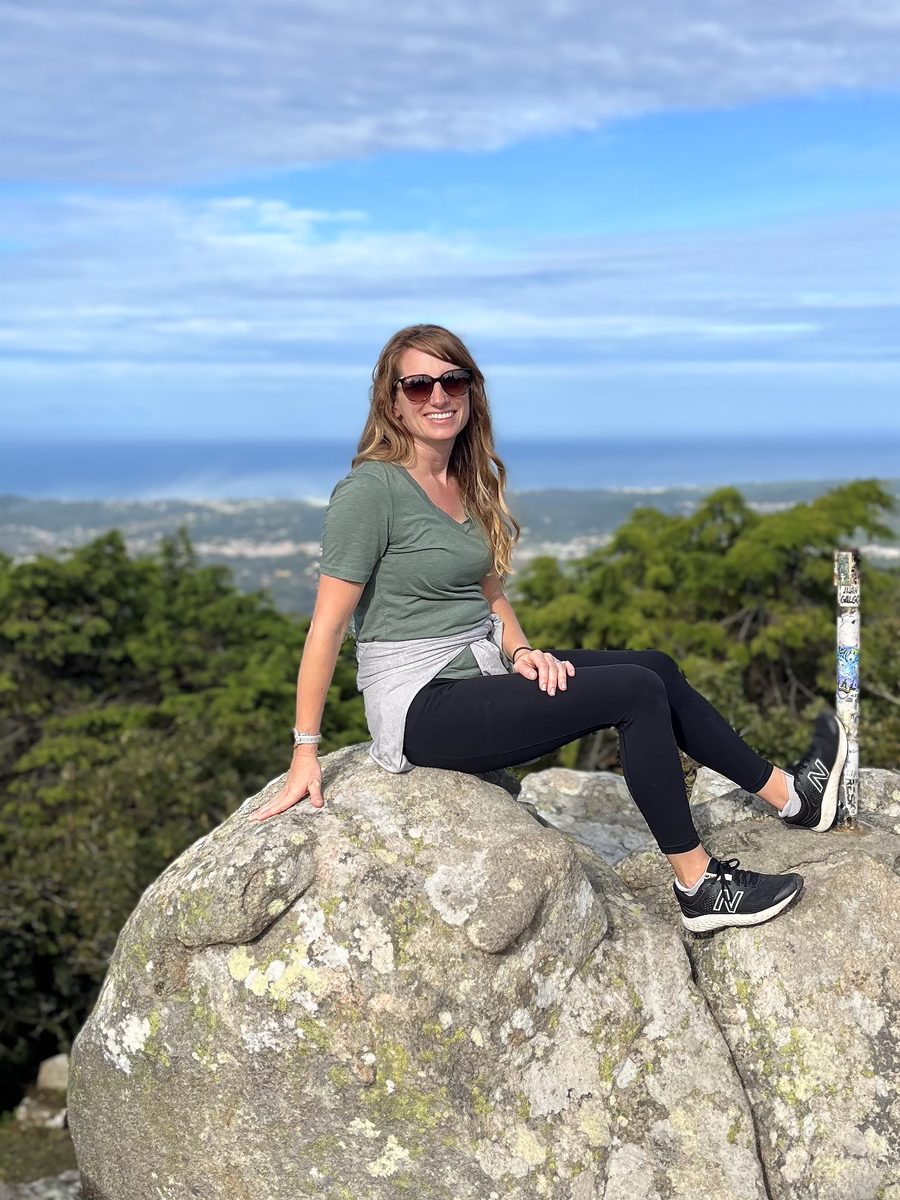
With a background in early childhood education, I felt pretty prepared to lead Calvin's education. I taught at JPL's Child Education Center before Calvin was born. I studied child development at Pacific Oaks College. I'd spent years watching kids learn through play and curiosity. I thought I had this.
I did not have this.
Or rather, I had a foundation, but worldschooling a growing kid is a completely different challenge from running a classroom. There's no curriculum handed to you. No teacher's lounge to decompress in. No other adults to bounce ideas off when your eight-year-old suddenly announces he's "done with math forever."
What a typical day looks like
There is no typical day. That's kind of the point. But if I had to describe a general structure, it would be: morning learning blocks, afternoon exploration, evening reading.
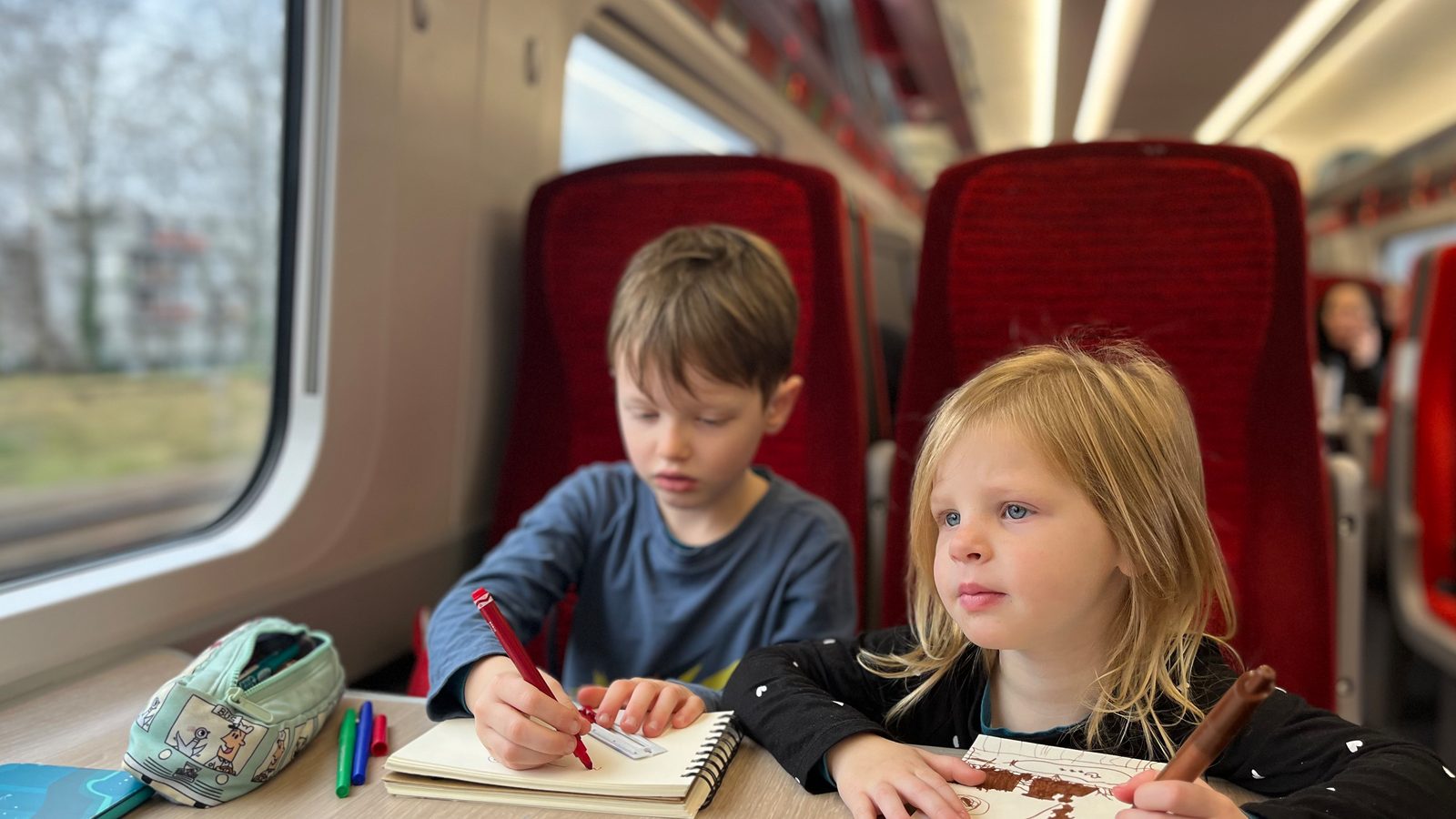
The morning blocks are the closest thing we have to traditional school. Calvin does math (we use a mix of workbooks and online programs), reading (he's on a Kindle now and tears through chapter books at a pace that makes me jealous), and some form of writing or journaling. Millie, at four, does phonics, counting, and a lot of art. She's an artist in every sense. Give her crayons and paper and she's happy for an hour.
The afternoon is where worldschooling becomes worldschooling. Whatever we're near, that's the curriculum. In Scotland, it's castles and Highland history. In Portugal, it was marine biology and Portuguese phrases. In Morocco, it was market math and spice identification. The world is the textbook. I'm just the facilitator.
Evenings are for reading. Calvin reads independently now (50+ chapter books a year, which blows my mind). I read to Millie. James reads whatever he's reading. We're a family of readers, and protecting that evening time is one of the best decisions we've made.
The styles we've tried
We've experimented with everything. Unschooling, where you follow the child's interests entirely. Classical education, with its emphasis on the trivium. Charlotte Mason, with nature study and living books. Online programs. Workbooks. None of them are perfect. All of them have something valuable.
Right now, we're in a groove that's part structured and part interest-led. Calvin needs structure for math and writing but thrives when he can choose his own reading material and explore subjects that grab him. This month, it's medieval siege warfare (he hasn't stopped talking about Scottish castles since our trip). Last month, it was volcanoes. The month before that, it was chess strategy.
Millie is still in the early years, which is my comfort zone professionally. She learns through play, repetition, and an astonishing amount of coloring. She's also picked up bits of every language we've encountered, which delights me to no end.
The hard truth
Some days are terrible. Some days Calvin doesn't want to do anything. Some days I don't have the energy to make learning fun or engaging. Some days we watch movies and call it "film studies" and nobody feels great about it.
The other night, Calvin practically begged to practice his multiplication before bed. He was excited. Genuinely excited about math. I almost cried. Those moments are real and they do happen. But they don't happen every day, and pretending they do would be dishonest.
The worry is always there. Am I doing enough? Are they falling behind? Will they be able to catch up if they ever go back to traditional school? I've talked to enough worldschooling families to know these fears are universal. They don't go away. You just learn to hold them alongside the evidence that your kids are learning, growing, and curious about the world.
Why we keep choosing this
Because Calvin can tell you about the geology of every national park we've visited. Because Millie can count to ten in four languages. Because both of them can hold a conversation with an adult, look them in the eye, and ask good questions. Because learning hasn't become something they endure from 8 to 3. It's just part of how we live.
We could settle somewhere and put them in school. It would give us more routine, more predictability, maybe more breathing room. But it's not the right answer for our family right now. So we continue, learning the basics alongside the culture, history, and natural world of wherever we are.
And honestly? Watching them light up in a tide pool or negotiate prices at a market stall — that's an education no classroom could replicate.
If you're considering worldschooling and have questions, my DMs are always open. No judgment, just honesty about what this looks like in practice.